Alder & StonePest Control
Request help

Rat and mouse control

Rodent control in Edinburgh for rats and mice

Heard scratching, found droppings or seen a rat or mouse? Request help to understand the activity, choose a suitable control method and reduce the chance of it returning.

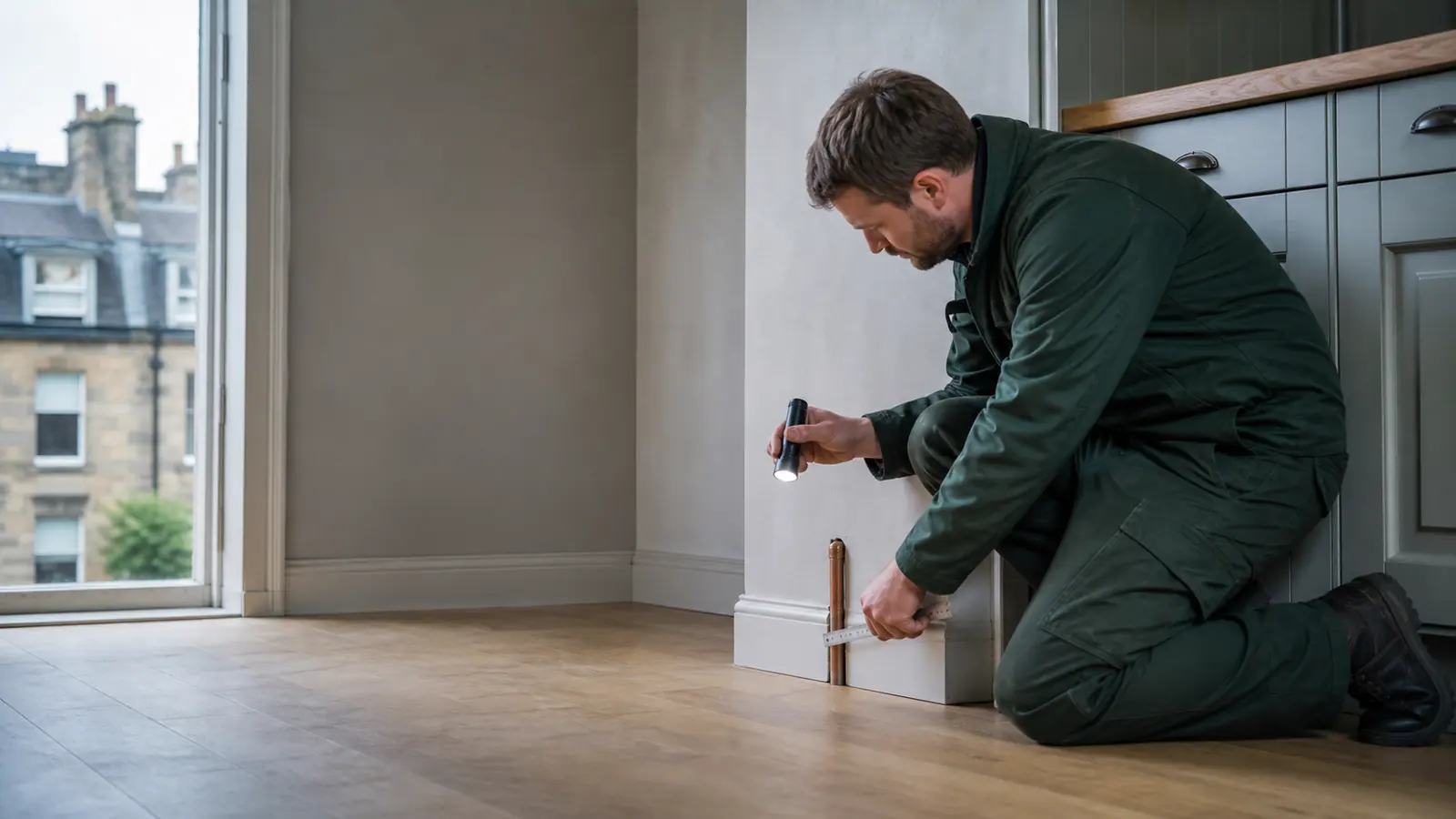
Technician checking a pipe opening beside a kitchen unit
Entry-point check

Get help now

Turn worrying signs into a practical rodent-control plan

Scratching behind a wall, gnawed food packaging, droppings or a live sighting can be difficult to judge on your own. Rodent control starts by looking at where the signs appear, whether activity is current and which parts of the property may need attention. You can request help without deciding first whether a rat or mouse is responsible.

  • Help for houses, flats, tenements and rented homes.
  • Commercial support for shops, hospitality and stores.
  • Clear options before treatment or proofing work begins.

Inspection

A visit looks beyond the first sighting

The useful questions are where rodents are active, how they may be reaching food or shelter and whether one room connects to lofts, basements, service voids or shared areas. An inspection can look at likely harbourage and entry routes without assuming that the nearest visible gap is the whole cause.

  • Activity and affected areas considered together.
  • Accessible gaps, pipes, doors and vents checked where relevant.
  • Private and communal spaces kept distinct in shared buildings.
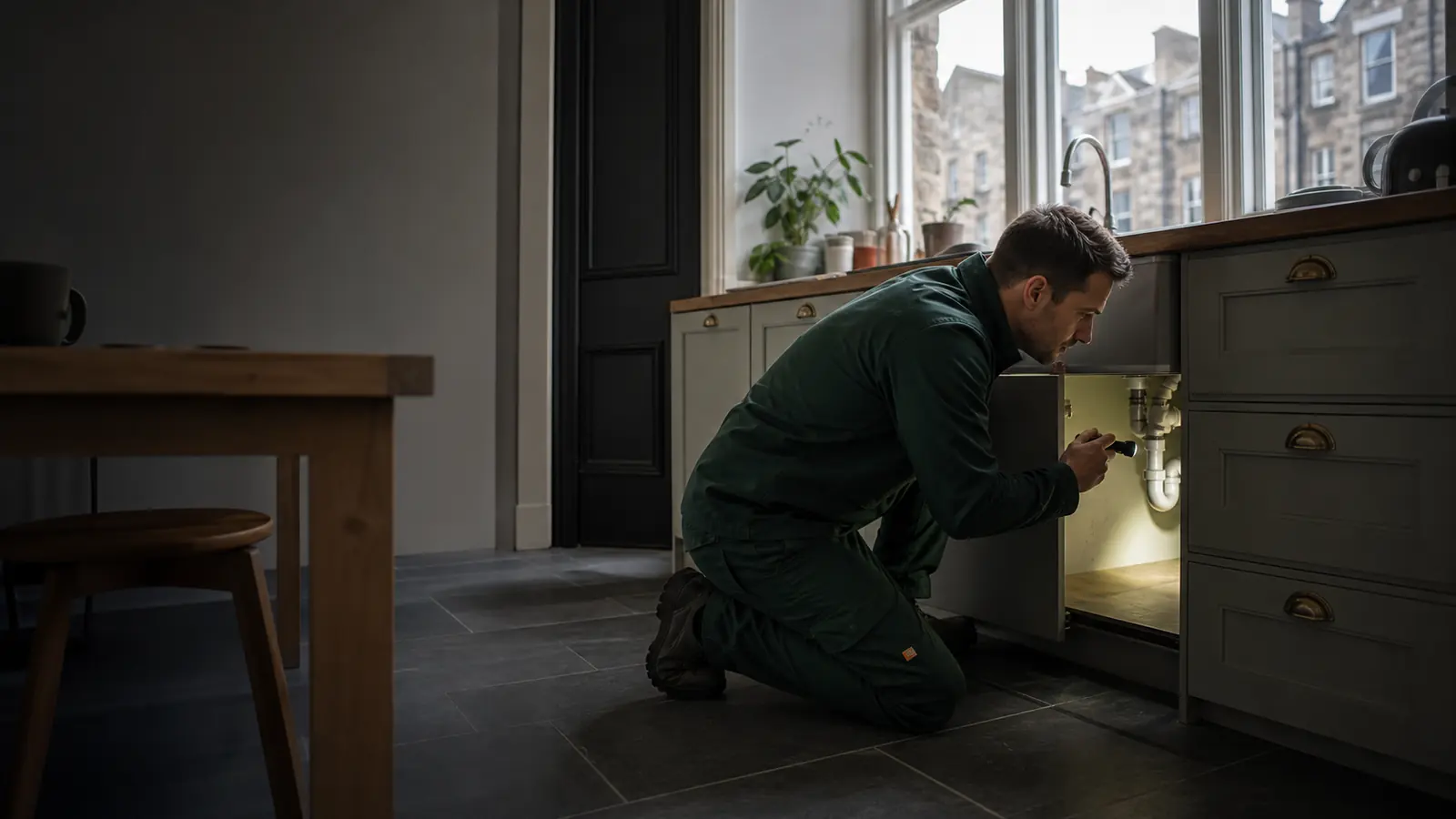
Pest-control technician inspecting the perimeter of an Edinburgh kitchen
Home inspection
Technician checking a pipe opening beside a kitchen unit
Entry-point check

Treatment options

Control and proofing solve different parts of the problem

Traps, monitoring and approved rodenticides may be considered depending on the pest, property and safety needs. Proofing can address suitable entry points, while cleaning, food storage and waste changes may reduce easy access to food. The right combination depends on what is found rather than a one-size-fits-all package.

  • The proposed method should match the setting and activity.
  • Children, pets and food areas affect placement and safety steps.
  • Building repairs can be separated clearly from pest-control work.

Edinburgh properties

Tenements and mixed-use buildings may need wider access

In a tenement, converted property or flat above a business, rodents may move through pipe runs, floor voids, basements or shared waste areas. The service may need access to more than the room where the first sign appeared, and a landlord, factor or facilities contact may need to help with communal parts.

  • Common stairs, cellars and bin stores can be considered.
  • Neighbouring reports do not automatically prove the source.
  • Access can be planned around residents or trading hours.
Edinburgh tenement entrances and ground-floor business frontages
Edinburgh properties
Technician inspecting shelving in a clean commercial storeroom
Business premises

Before a visit

Keep the area safe and easy to inspect

Store accessible food and pet food in closed containers, clear loose items from the immediate area and keep children or pets away from suspected contamination. Avoid moving fixed units, touching damaged wiring or dry sweeping droppings. One safe photograph and the approximate date of the latest sign can be useful, but you do not need to dismantle the room.

  • Leave concealed spaces closed unless advised otherwise.
  • Keep packaging for any product already used.
  • Use an appropriate urgent trade for exposed electrical damage.

Price and follow-up

Scope depends on activity, access and prevention work

Price can vary with the size of the property, number of affected areas, access, chosen method, monitoring and any proofing work. Some problems need follow-up because new activity or an unresolved building route changes the plan. Ask what the quote covers, what happens after the first visit and which repairs sit outside the pest-control scope.

  • Treatment, monitoring and proofing shown separately where possible.
  • Follow-up expectations agreed before work begins.
  • A direct route to ask about availability for your postcode.
Pest-control technician inspecting the perimeter of an Edinburgh kitchen
Home inspection

Practical answers

Questions before you request help

How do I know whether it is a rat or mouse?

You do not need to decide before requesting help. Size, droppings, damage, sounds and where activity appears can all help with identification.

Should I seal a visible gap straight away?

Wait until the likely route has been considered. Closing the wrong opening can move activity or leave rodents inside the structure.

Can droppings be cleaned before a visit?

Avoid dry sweeping or vacuuming. Follow current public-health guidance and keep people away from significant contamination.

Is rodent treatment safe around children and pets?

Safety steps depend on the method and property. Ask how products or devices will be placed and follow the instructions for the agreed treatment.

Will one visit solve the problem?

That depends on activity, entry routes, access, treatment and proofing. The expected follow-up should be discussed with the scope.

Who pays in a rented property?

Responsibility can depend on the cause, property condition and tenancy. The landlord page explains the practical service route, while legal questions need appropriate housing advice.

What affects the cost?

Property size, affected areas, access, method, monitoring, follow-up and proofing can all change the quotation.

What if wiring appears damaged?

Do not touch exposed or damaged electrical material. Keep clear and contact an appropriately qualified urgent service for the electrical risk.
Next step

Ready to ask for help?

Request help

Tell us what has been happening

Choose the closest problem and share where it is affecting the property in seven short steps.

Step 1 of 1