Alder & StonePest Control
Request help

Clothing and textile pests

Moth control for Edinburgh properties

Found holes, thinning fabric, larvae or repeated moth activity? Request help before discarding valuable items or treating every room.

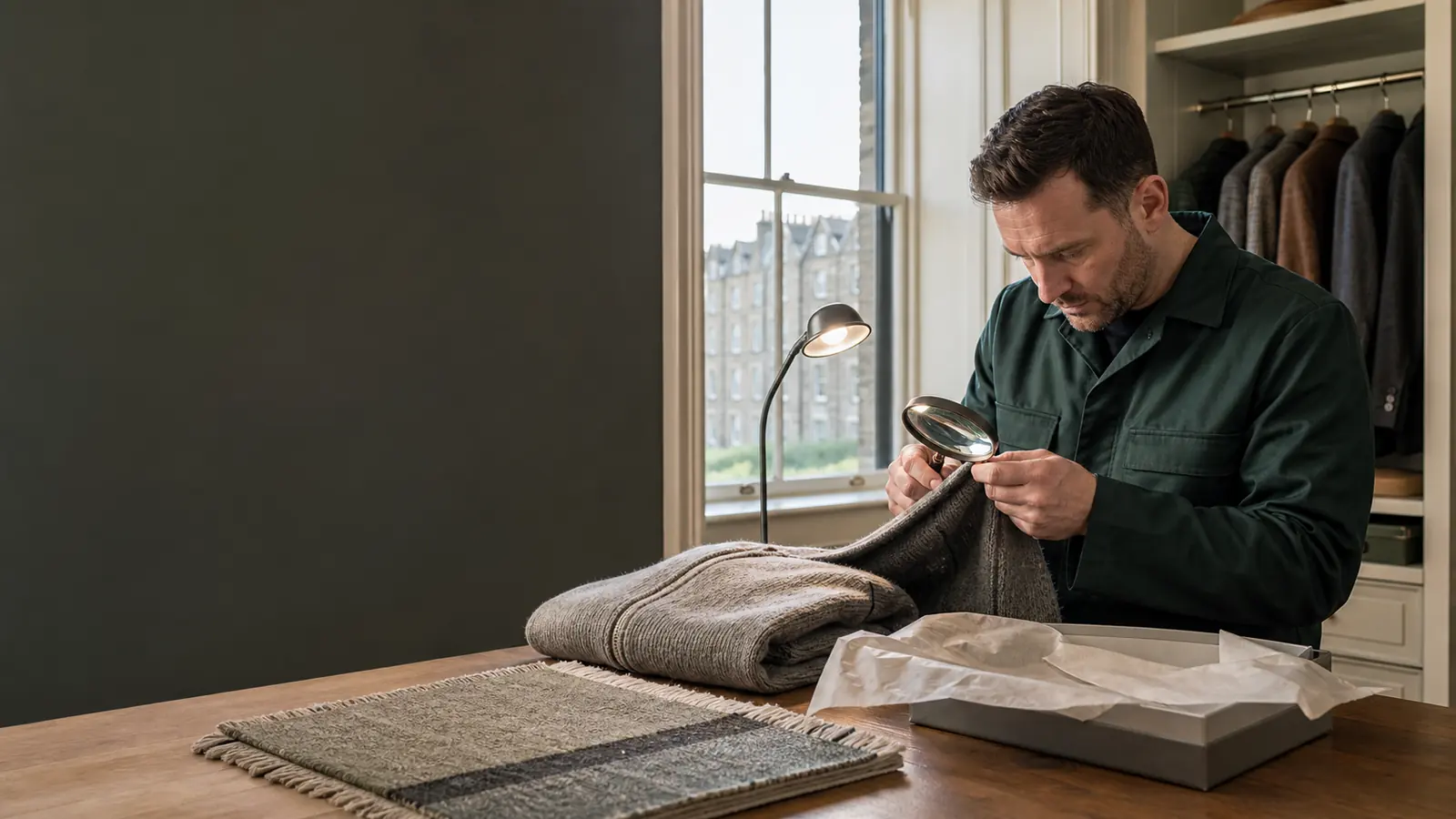
Close inspection of a wool garment and textile storage
Textile check

Get help

Stop textile damage from spreading through storage areas

Moth activity can affect clothing, rugs, carpets, upholstery and stored natural fibres. A service visit can look at the damaged material, where items are kept and whether insects, larvae or cases are present. This helps target the right rooms and belongings instead of treating the whole property from one adult moth sighting.

  • Help for wardrobes, drawers, rugs and furnished rooms.
  • Material and item care considered before treatment.
  • Support for homes, furnished lets and managed collections.

Identification

An adult moth does not always explain the fabric damage

Several small moths can appear indoors, and not every species damages textiles. The pattern of holes or thinning, the type of material and the presence of larvae or cases can help identify the likely pest. Food-cupboard insects may need a different service from clothing or carpet moths.

  • Insect and damage considered together.
  • Natural-fibre items checked where accessible.
  • Pantry and textile concerns kept on the right service route.
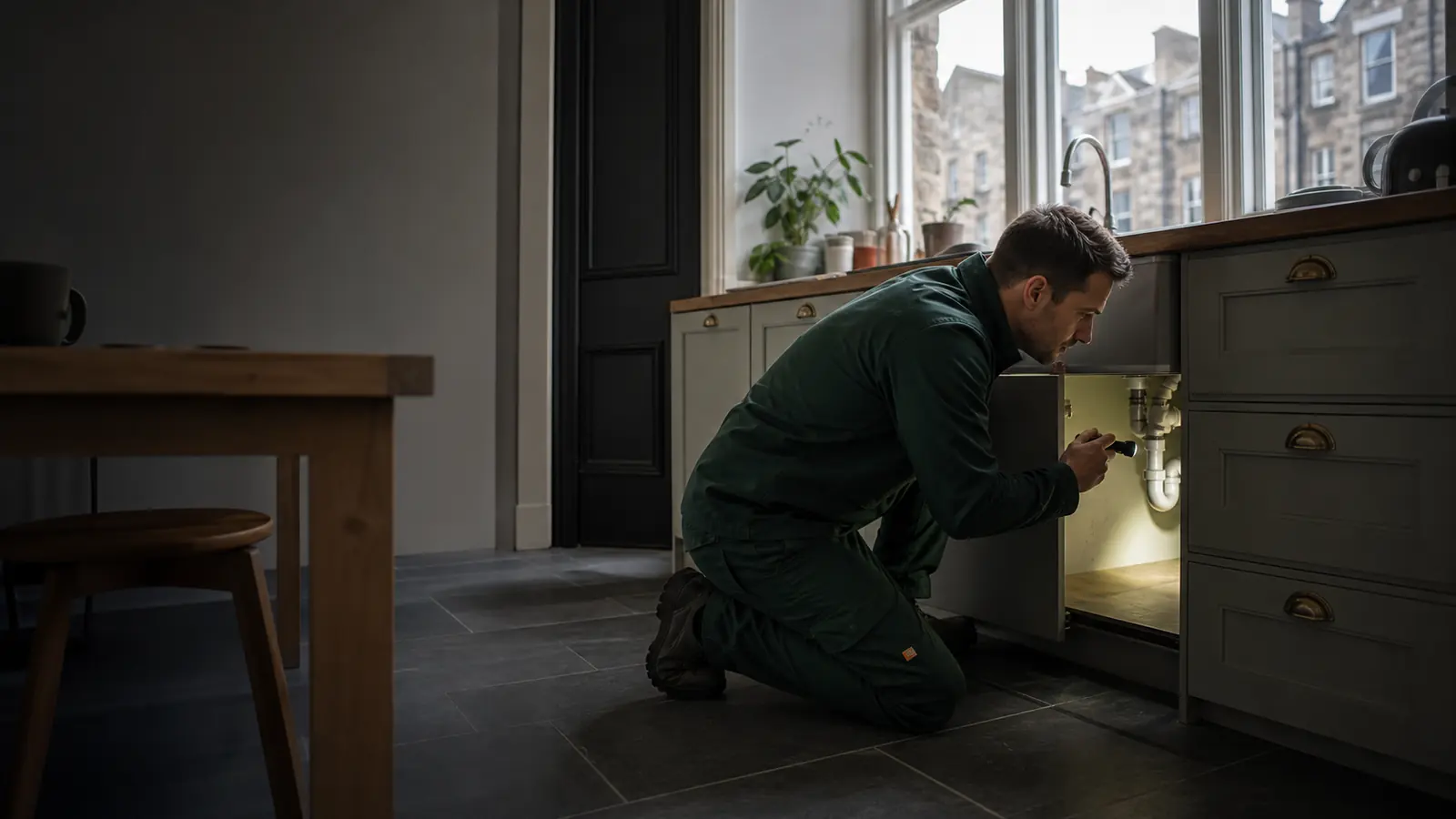
Pest-control technician inspecting the perimeter of an Edinburgh kitchen
Home inspection
Technician inspecting shelving in a clean commercial storeroom
Business premises

Treatment options

Rooms and individual items may need different care

Vacuuming, laundering, specialist cleaning, heat, freezing or approved insecticidal treatment may each suit some items and not others. Delicate, valuable or inherited textiles can need specialist advice. The plan should separate property treatment from item care so nothing is damaged by a generic temperature or cleaning instruction.

  • Item care matched to the material and label.
  • Property treatment focused on confirmed areas.
  • Monitoring used where it adds useful information.

Furnished and shared properties

Ownership and room use shape the practical choices

Furnished lets, guest accommodation, tenement stores and inherited collections can contain belongings from several owners. Access and permission may be needed before an item is moved or treated. The landlord route can coordinate the property service while the owner of a valuable textile decides on specialist care.

  • Tenant, landlord and item-owner roles kept clear.
  • Long-unused rooms and storage spaces considered.
  • Sensitive belongings separated from routine room treatment.
Edinburgh tenement entrances and ground-floor business frontages
Edinburgh properties
Close inspection of a wool garment and textile storage
Textile check

Before a visit

Keep damaged items linked to the room where they were found

Avoid carrying loose affected material through the home or emptying every cupboard before the service is planned. A safe photograph of the full item and the damaged area can help. Keep care labels available, and do not wash, heat or freeze a delicate item unless its material can tolerate that method.

  • Separate clearly affected items without spreading loose material.
  • Do not discard every damaged belonging automatically.
  • Keep product labels for anything already applied.

Price and monitoring

Rooms, belongings and specialist care affect the quote

Cost can vary with the number of rooms, storage areas, affected items, access, treatment and monitoring needs. Specialist textile work may sit outside the property treatment. Ask what is covered, how later sightings will be assessed and which item-care costs are separate before work begins.

  • Property and item services separated in the scope.
  • Monitoring and follow-up expectations explained.
  • A direct route to request moth-control help.
Pest-control technician inspecting the perimeter of an Edinburgh kitchen
Home inspection

Practical answers

Questions before you request help

Does one moth mean my clothes are being damaged?

No. The insect, affected material and any larvae, cases or damage need to be considered together.

Should I throw damaged clothing away?

Not automatically. Isolate the item carefully, check its care requirements and ask about suitable treatment or specialist cleaning.

Can every fabric be washed or frozen?

No. Suitability depends on the material, construction and care label. Valuable or delicate textiles may need specialist advice.

Are carpet moths and clothes moths the same?

Common names can be inconsistent. The affected material and confirmed insect are more useful than relying on the label alone.

Can a furnished landlord request help?

Yes. Access, inventory ownership and permission to move or treat belongings should be agreed first.

Can a moth trap solve the problem?

A trap may help with monitoring in some situations, but it does not automatically deal with affected items or every stage of activity.

What affects the quote?

Rooms, storage areas, belongings, item care, access, treatment and monitoring can all change the scope.

Will treatment prevent moths permanently?

No permanent result can be promised. Suitable storage, item care and monitoring may form part of reducing future risk.
Next step

Ready to ask for help?

Request help

Tell us what has been happening

Choose the closest problem and share where it is affecting the property in seven short steps.

Step 1 of 1