
Alder & StonePest Control
Request help

Landlords and agents

Pest control for Edinburgh landlords

Move from a tenant report to practical inspection and treatment while keeping access, building repairs and responsibility questions clear.

Edinburgh tenement entrances and ground-floor business frontages
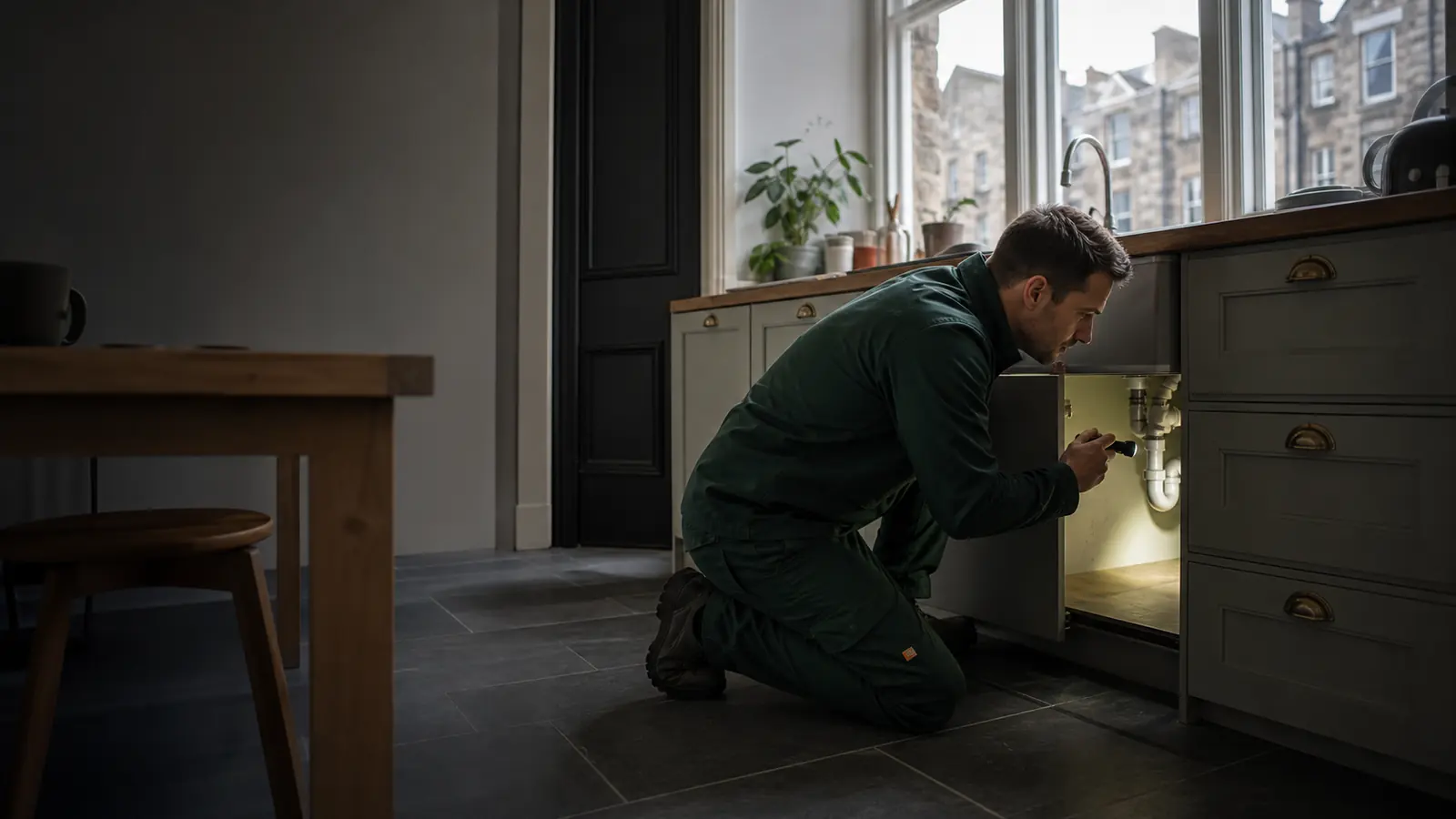
Pest-control technician inspecting the perimeter of an Edinburgh kitchen
Home inspection

Respond to the problem

Arrange help around the occupier and affected room

A tenant may notice scratching, droppings, bites, fabric damage or flying insects before the landlord sees the property. The first practical step is to understand the affected room and arrange suitable access. Rodent, bed-bug, flea, moth and wasp services can then be matched to the problem rather than chosen from a broad tenancy assumption.

  • Occupier access and room use considered.
  • Service chosen by the pest problem, not the tenancy label.
  • Communication kept clear between tenant, agent and landlord.
Property condition

Treatment and building repairs may both matter

Rodent activity can connect with gaps, damaged vents, pipe openings or shared waste areas, while damp or building defects may affect other pest concerns. Pest-control work can deal with activity, monitoring and suitable proofing advice. Repairs by the right trade should be shown separately so each part of the job is clear.

  • Existing repairs considered without assuming they caused the problem.
  • Treatment and fabric work separated in the quotation.
  • Factors or owner groups involved for common parts where needed.
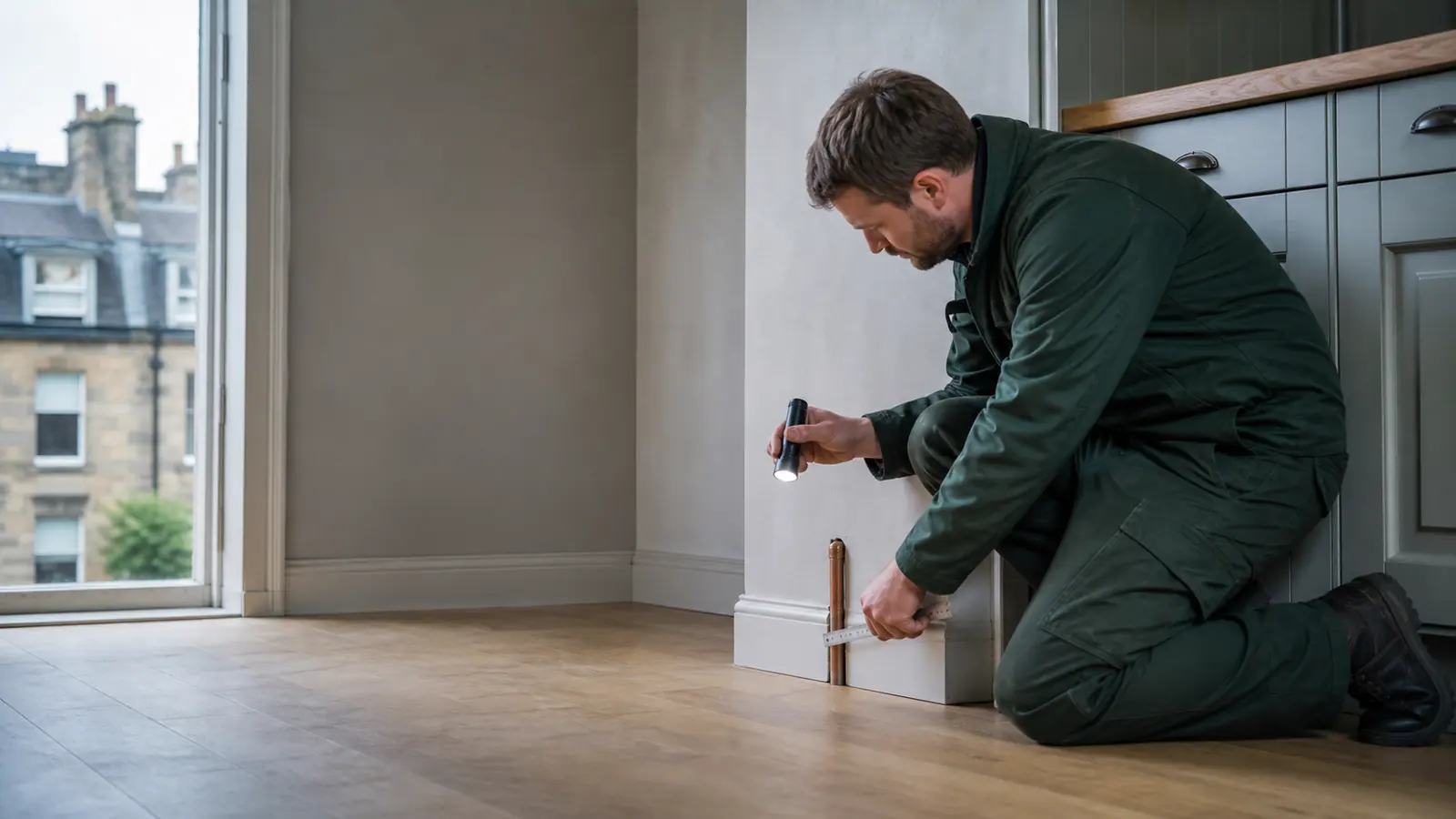
Technician checking a pipe opening beside a kitchen unit
Entry-point check
Edinburgh tenement entrances and ground-floor business frontages
Edinburgh properties

Responsibility

Resolve the pest problem without guessing liability

Who pays can depend on the cause, property condition, tenancy and applicable housing duties. Pest control can establish what service the property needs, but it does not replace legal advice or decide a disputed responsibility. Official housing guidance is the right place for that separate question.

  • Practical action need not wait for blame.
  • Housing advice used for disputed duties or costs.
  • Any common-area work agreed with the authorised party.

Request help

Choose the pest service and arrange the next step

Use the closest service page, or select Not sure when the pest is unclear. Share the property postcode, affected area and the person who can arrange entry. Availability, inspection, treatment choices and price factors can then be discussed for the rental.

  • A direct route for landlords, agents and tenants.
  • Access planned around the occupier.
  • Scope agreed before treatment or repair work begins.
Technician inspecting shelving in a clean commercial storeroom
Business premises

Practical answers

Questions before you request help

Is the landlord always responsible for pest control?

No general answer fits every case. Responsibility can depend on the cause, condition, tenancy and housing duties, so use appropriate official or legal advice.

Can a tenant request help?

Yes. The landlord or agent may still need to approve work or arrange access, depending on the tenancy and property.

Should treatment wait until repairs are inspected?

Not necessarily. Pest activity and building defects may need to be considered together, with treatment and repair scopes kept clear.

Can common areas be covered?

Shared stairs, cellars, lofts and bin stores may be included when the authorised factor, landlord or owner group can arrange access.

Next step

Ready to ask for help?

Request help

Tell us what has been happening

Choose the closest problem and share where it is affecting the property in seven short steps.

Step 1 of 1